
Most link building gets outsourced the wrong way. Cheap links, bought in bulk, on sites that sell to everyone.
Outsourcing link building means handing your backlinks to a specialist, who finds relevant sites, pitches content and gets your links live. Done well, it lands you placements you couldn’t get on your own, on the same sites ChatGPT and Google’s AI pull their answers from.
I’ve worked in SEO for more than 10 years, and my team at Seene builds links for brands like Motorola Solutions, OpenTable and Yardi. In this guide, I’ll show you what links really cost, how to check one before you pay for it, the shortcuts bad providers take and how to make it all work for AI search.
The short version
- Pay per link where you can, so you know exactly what each one costs.
- Choose your own sites, or set clear criteria: DR 40+, 1,000+ monthly traffic, most of that traffic coming from the country you’re targeting, a spam score under 6% and stable traffic.
- Avoid sites that cover every topic, sell casino links or label posts as sponsored.
- Expect links to take weeks, not days, and results to show after about three months.
- Build for AI search too, with brand mentions and “best of” listicles.
Get a free link. No catches.
Pick the site from our curated list, approve the content and see the quality for yourself. You don’t have to order anything afterwards, and if you want more, links start from £250.
Why outsource link building instead of hiring in-house?
With Seene, you pay per link. No retainer, no minimum order, and one fixed price per placement, from £250, whatever the site’s DR or traffic. You know exactly what each link costs before you order it.
Compare that with hiring in-house, which means a salary, training and tools like Ahrefs before a single link goes live, or an agency retainer you keep paying whether links land or not.
Outsourcing also gets you:
- A whole outreach team. One in-house link builder can only pitch so many sites and write so many articles. We have 50+ outreachers and a team of writers who are former journalists, so we know how to pitch editors and can build links at a volume no single hire could.
- More time for your team. Finding sites, pitching editors and writing content takes hours for every link.
- Specialist expertise. Link builders who do this every day know which sites move rankings, which anchor text looks natural and what Google and AI search reward right now.
- Existing relationships. Good agencies have spent years building relationships with editors, so they can land links you couldn’t get by cold pitching. Many of the sites we place on don’t take payment at all.
- No minimum order. Order what you need, when you need it.
- International reach. Writers and local sites in 7 languages, without hiring in each market.
Hiring in-house can work if you only need a few links a month. Building links at scale takes a whole team.
Further reading: How to do link building, a full guide with examples
How much does link building cost?
There’s no fixed price for a link. You’re paying whatever the site or agency sets, and much of that is the time it takes to land the link. Some of our best links have taken months of pitching, but our price stays the same. If you hire someone in-house, you’re paying for all of that time.
The best links can’t be bought
The strongest links come from sites that don’t sell them. You earn them by writing and pitching great ideas to magazines and news sites, or by building partnerships with businesses in your space, where they link to you and you link back to them where it’s genuinely useful. That takes time, good ideas and strong writing, and it’s what you’re really paying for when you outsource.
Why link prices vary so much
When you do pay a site, prices don’t follow a neat rule. They vary by country, for example German sites cost far more than Italian ones. Niche sites and those run by publishing houses charge the most, because selling posts is part of their business. Independent bloggers usually charge less.
You can always negotiate. If you have other content going out, such as guest posts, offer the editor a relevant link in one of them in exchange for a lower price or a swap.
How much should you budget?
If you’re a small business, £1,000 is a good starting budget. It gets you 4 to 7 strong links. Bigger brands competing for crowded keywords can spend £40,000+ a month on backlinks.
How link building providers charge
- Monthly retainer. A fixed fee for an agreed amount of work. It’s easy to budget for, but you pay whether or not links go live, and you rarely know which sites you’ll get.
- Project fee. One price for a set campaign. The scope is clear, but it’s hard to change course halfway through.
- Pay per link. A set price for each placement, so you know exactly what each link costs and only order the ones you want. This is how we work.
What our links cost
Here’s what we charge, with a real example of each.
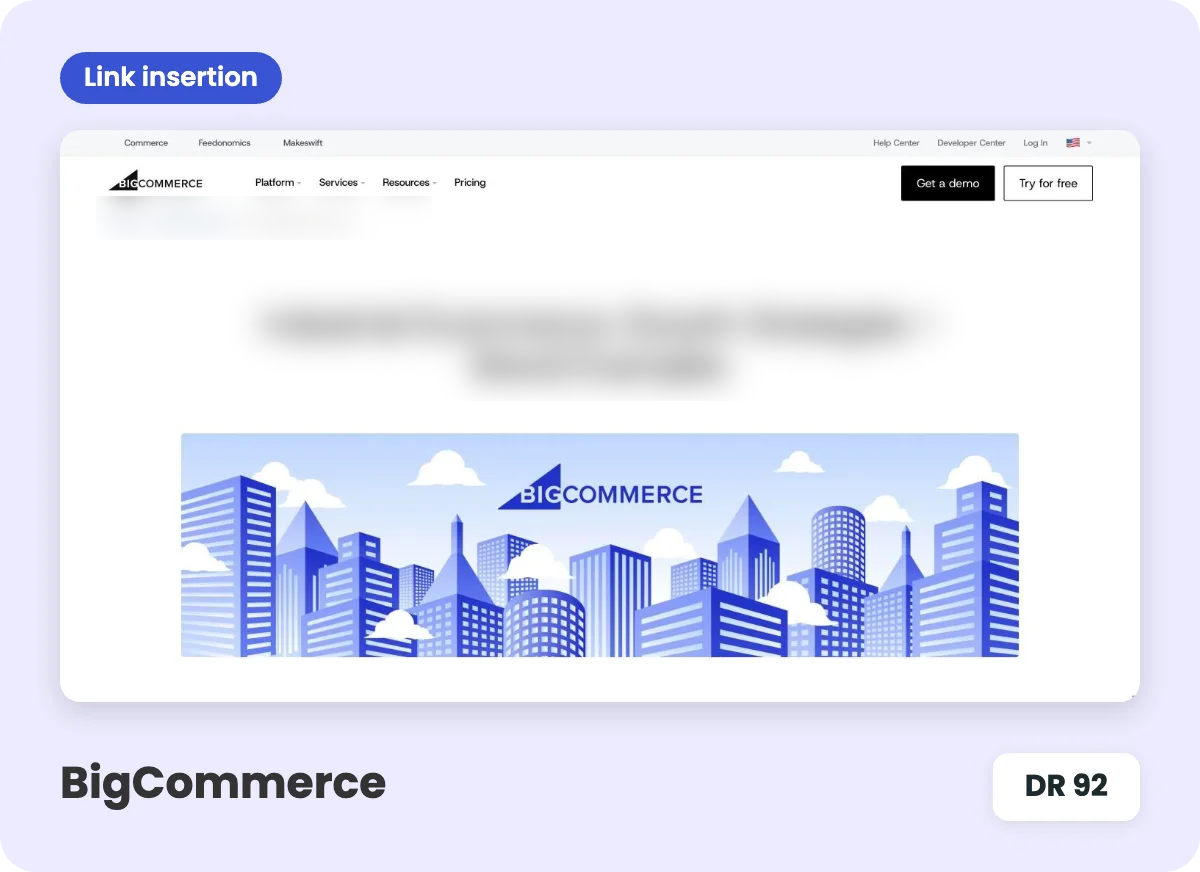
Link insertion, £250 + VAT. A link added to a relevant, already-ranking article.
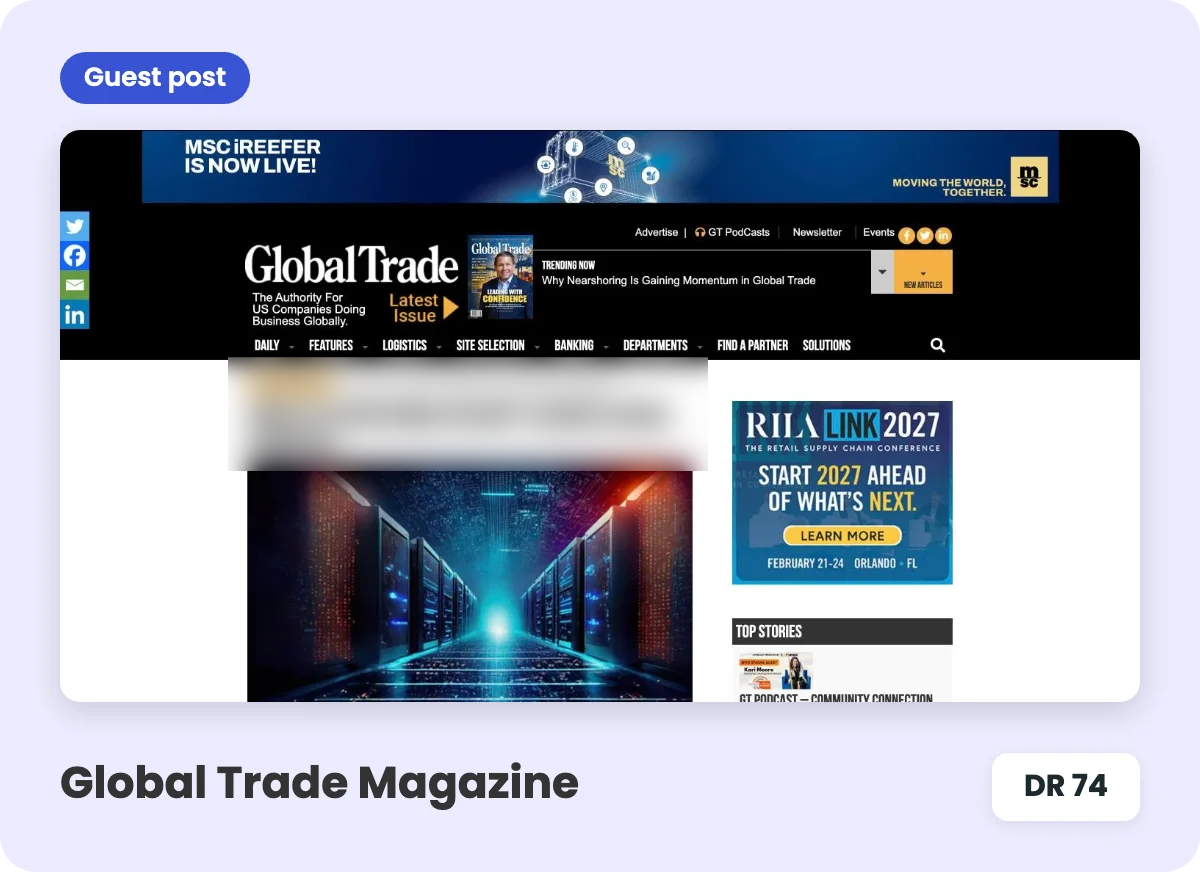
Guest post, £300 + VAT. A new article written by us and published on the site.
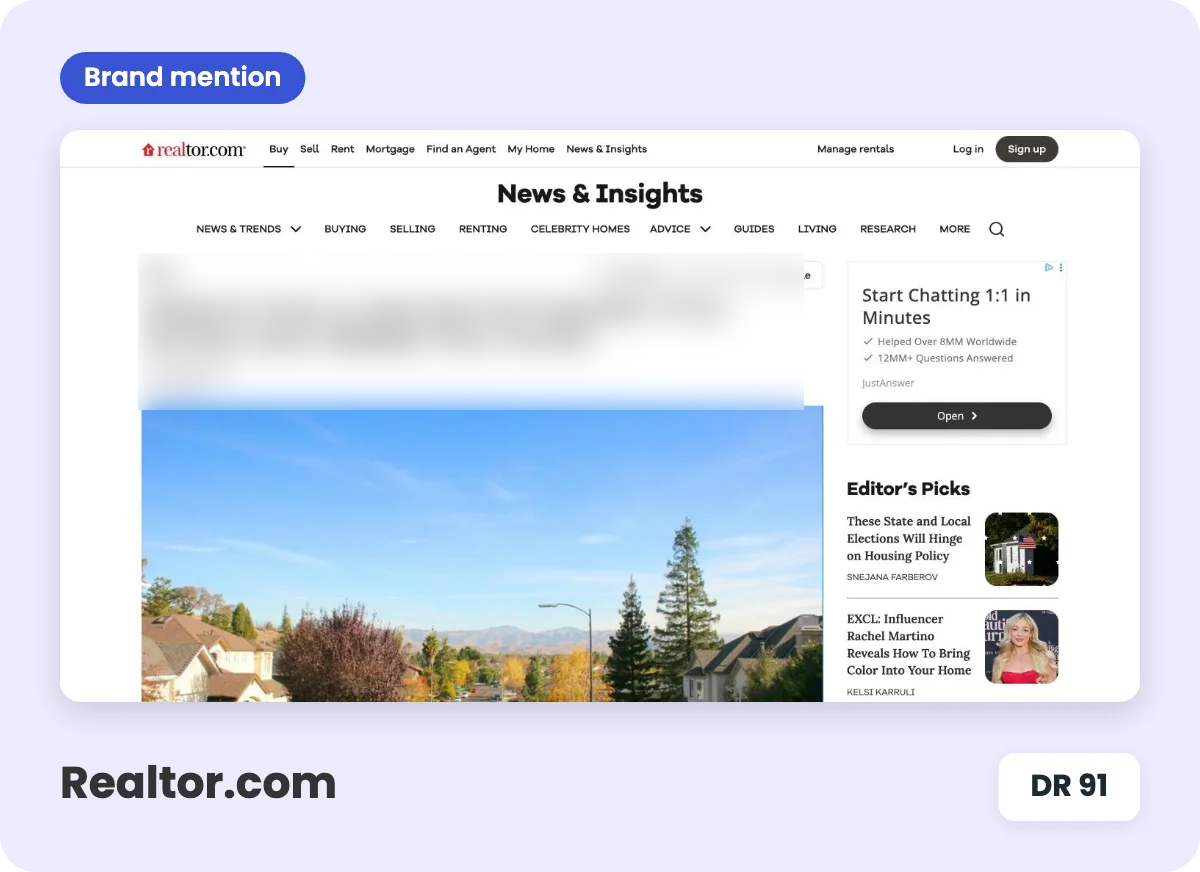
Brand mention, £350 + VAT. Your brand named and recommended in editorial content.
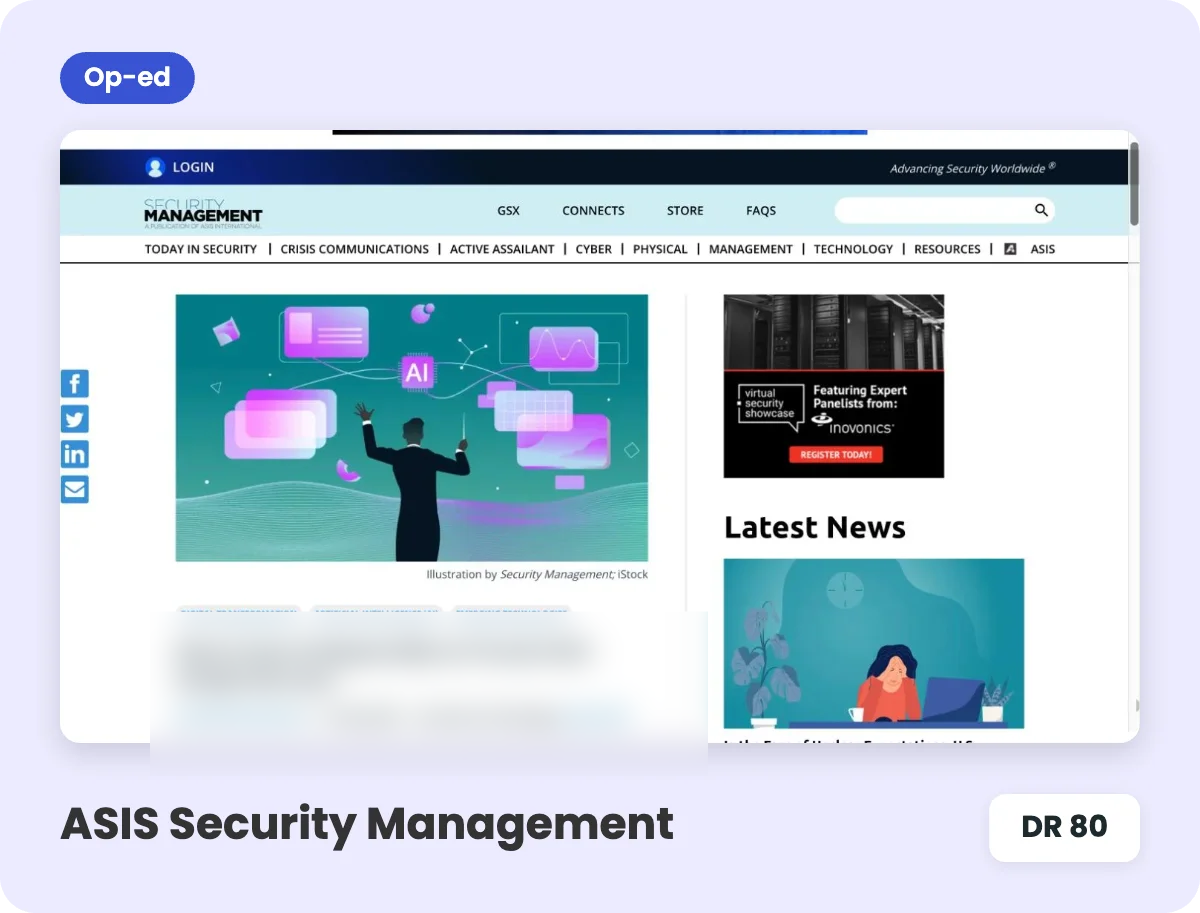
Op-ed, £500 + VAT. A bylined article from your expert, on a site your customers read.
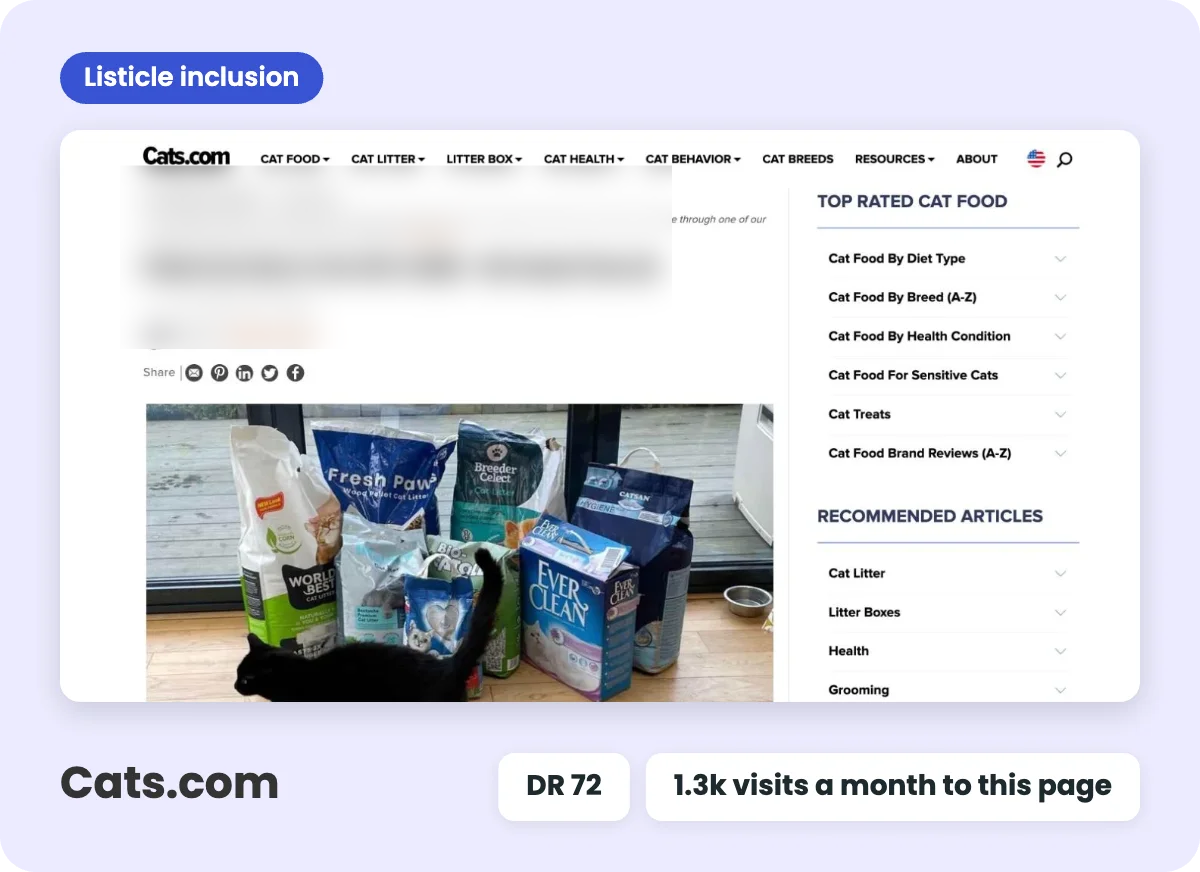
Listicle inclusion, £550 + VAT. A spot in the “best of” round-ups AI tools pull from when they recommend brands.
VAT applies to UK clients only. Every price covers outreach, writing and publishing, whatever the site’s DR or traffic, and 10+ links a month gets a monthly discount.
Want to see the sites we’d suggest for you?
Get a free link. No catches, and you choose the site.
How to outsource link building in 7 steps
1. Work out how many links you need
Don’t shoot in the dark. Before you build a single link, work out how many each of your key pages needs to compete.
In Ahrefs, check the keyword’s difficulty and its estimate of how many referring domains you’ll need. Then look at the top 10 results and how many links the top three have. Compare their DR with yours, and you’ll have a good estimate.
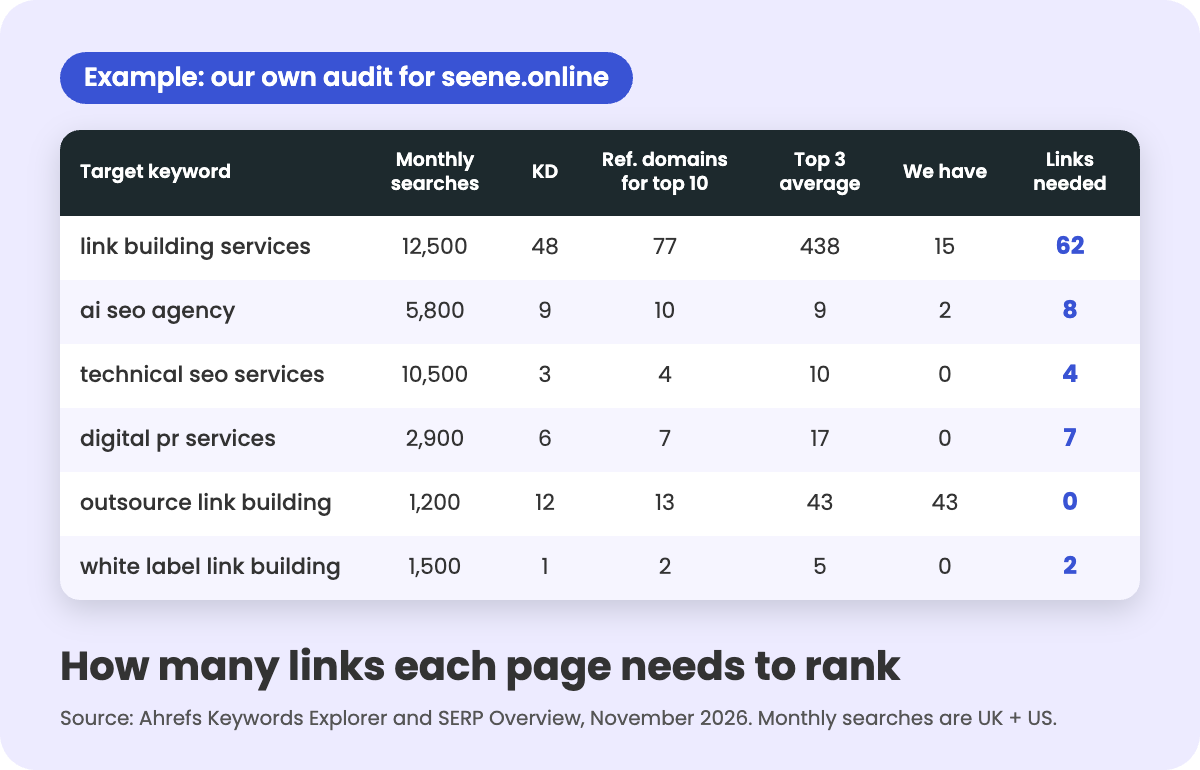
Benchmark your rankings and AI visibility before you start, so you can measure what’s working.
Our link building audit works this out for every key page. Book a call
2. Set a strategy and stick to it
Decide which pages you’re building links to, the keywords they target and the anchor text you’ll use. Then follow the plan rather than chasing whatever links come up.
3. Shortlist specialist providers
Look for providers that focus on link building, with live examples in your industry and genuine reviews. Ask for links published in the last couple of months, not a PDF of old wins.
Pay attention to how they communicate, too. Link building is mostly about persuading busy editors, so communication skills matter as much as SEO knowledge.
Remember, they’re pitching your brand. The live link is the only part you’ll see, but behind it are all the emails they sent to editors in your name to get there. Make sure they’re selling you well. If their emails to you are vague or sloppy, imagine what those pitches look like.
4. Choose the sites yourself
If you trust your provider, you can let them choose. But many will naturally go for the easy, quick paid links rather than the ones that take time, great content, fresh data and persuading editors.
I’d always choose my own sites. You should care about where your brand is talked about online. If you don’t know where to start, ask for a shortlist and pick the ones you like, or give simple criteria such as:
- DR 40+
- 1,000+ monthly search traffic
- Most traffic coming from the country you’re targeting
- A spam score under 6%
- Stable traffic over the past two years
If a provider pushes back on criteria like these, that’s a red flag.
5. Check every site before you agree
Your provider should give you each site’s metrics. Check its DR, DA, search traffic and spam score, look at its backlink profile and what it ranks for, make sure its traffic comes from the country your customers are in, and check the traffic hasn’t had any big drops.
6. Approve the content
Every article should have its own title, read well and fit the site it’s on. Your link should look like a source the writer chose to cite, not an advert.
7. Check each link once it’s live
A few quick checks are all you need:
- The link is followed. Right-click it, choose Inspect, and check the rel attribute doesn’t say nofollow or sponsored.
- The article isn’t labelled sponsored or featured.
- Your anchor text and URL are correct and fit naturally into the article.
- The article reads well, and your link looks like a natural mention.
You don’t need a big report. Big agencies love them, but they rarely say much. The live link is the proof. Track your keyword rankings and let the results speak for themselves.
Further reading: Backlink outreach tips
How to tell a good link from a bad one
The quickest check is the site’s menu. If it covers every topic under the sun, from marketing and tech to health and SEO, it’s usually a link farm or PBN that only exists to sell links. I’d avoid these. Sooner or later they get penalised or lose their traffic, and your links lose their value with them.
Next, check whether the site sells casino links. A quick Google search for "casino" site:example.com will show you. If it does, I wouldn’t want my brand mentioned there.
Look at the content around your link too. If your article on business financing sits next to “Why hire a plumber in Arizona”, it looks suspicious to readers and to Google. And check the other links in the article. If it’s full of over-optimised anchors pointing to commercial pages rather than genuine sources, walk away.
If you’re paying for a link, make sure it won’t carry a sponsored tag. You want it to look as if an editor cited you naturally. A sponsored label only makes sense on an op-ed or thought leadership piece, where it’s clearly marketing.
The shortcuts bad providers take
The most common one is simply buying links on sites that are well known for selling them. Good link building works more like digital PR, and the difference in quality is huge.
Less experienced providers, or those after quick money, often buy from marketplaces like Fiverr, where links sell for $20 to $50. You end up on a site that probably charges half that, and that’s on everyone’s spreadsheets because it accepts anything. Its backlink profile is usually dodgy, it’s likely to be penalised, and that can drag your site down with it.
Other red flags to watch for:
- Prices far below everyone else
- A link delivered overnight, which almost certainly means it was bought
- General business sites when you asked for sites in your niche
- No live examples, or no chance to approve sites before they go live
- Pushback on simple criteria like traffic and spam score
- Freelancers emailing editors from a Gmail address. Most top sites won’t work with one, and editors check.
Common mistakes to avoid
Expecting a link in a few days
Good link building takes time. If you want a good provider, expect it to take weeks, not days.
Forgetting how niche or commercial your page is
If your page is niche, say kitchen scissors, or clearly commercial, like a Botox clinic in Hertfordshire, fewer sites will want to link to it. Paid sites will always say yes. For strong links, you need to be strategic about the content you create and how your link fits in naturally.
Chasing numbers over quality
Quality matters more than quantity. A handful of links on relevant, well-read sites will do more than dozens on sites nobody visits.
Over-optimising your anchor text
If you’re not earning many links organically, don’t optimise the anchor text on every link you build, because a profile full of exact-match keywords stands out to Google. Mix in branded and natural anchors, and give every article its own title.
How long before you see results?
Give a provider a month to build your first links. After that, be patient. Links can take a month or more to be indexed, and if you’re building every month, I’d expect to see an uptick after about three months.
Further reading: How to get backlinks indexed fast
Link building for AI search
Google’s currency is links. AI’s is brand mentions. You now need both.
One question from Sarunporn (Jean) Dejsuvan’s brightonSEO talk has stuck with me: if you removed your website, would AI still have enough evidence to recommend your brand? For a lot of brands, the honest answer is no.
AI isn’t only reading your website. It looks for evidence across the internet that backs up what you say. That’s where digital PR, thought leadership and “best of” listicles come in.
To find where to focus, search for your category in ChatGPT or Google’s AI Mode and hover over the citations to see where the answers come from.
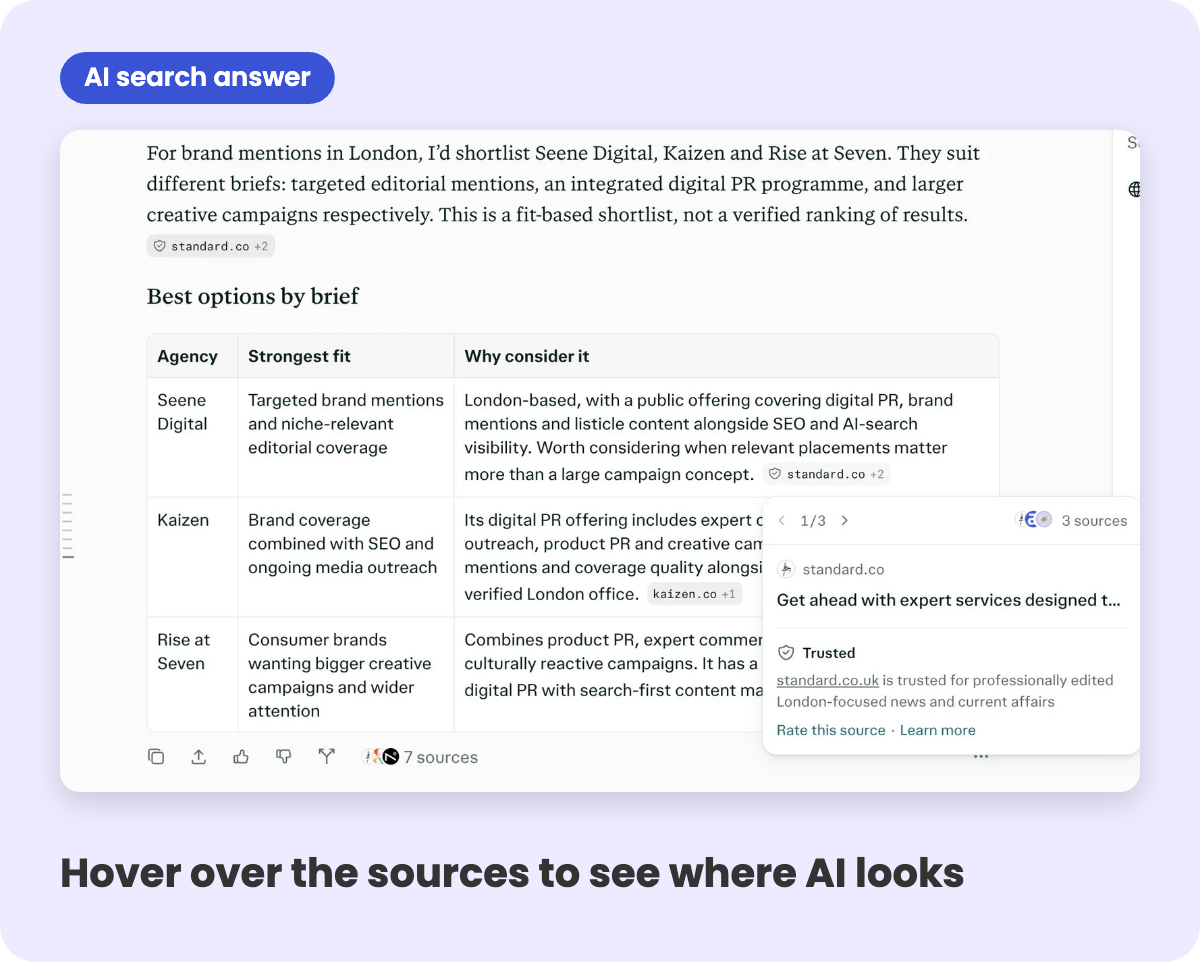
Then get your brand featured on those sites through listicles, digital PR and earned media.
Keep your brand mentions factual and consistent. If every site describes you differently, AI can’t repeat anything clear about you. Decide the one thing you want to be known for, and say it everywhere.
Want AI to recommend your brand?
We find the sources AI cites in your category and get you featured there.
Further reading: How to rank on ChatGPT
Is link building still worth it with AI search?
Yes, 100%. Backlinks still help you rank, and AI tools lean heavily on who references you and in what context. But links now matter less as a ranking shortcut and more as a signal of who you are, and they’re not enough on their own. You need a full marketing strategy where everything is consistent and works together.
What has changed is the link between rankings and traffic. You can rank number one and get far fewer clicks than two years ago, because AI Overviews answer the question first. “What is X” and “how to do Y” content is hit hardest.
So build links to the pages where people still click through, like commercial pages and “best X for Y” comparisons. And create content AI can’t easily replace, such as original data, first-hand experience, detailed comparisons and tools. The goal is to become the source AI cites, and links from authoritative sites are part of what earns that trust.
Outsourcing link building as an agency
If you’re an SEO or marketing agency, a white-label partner lets you offer link building without hiring an outreach team. Here’s what to look for.
You’ll be talking to them a lot, so pick someone friendly who gets it and delivers. Above all, they need to be good at content.
Test them. Give them a client’s niche and ask for a sample of five sites. If you have an AI recruitment client and get back five general business blogs, that’s not good enough. Topical relevance matters more than ever, so you’d want HR tech, AI or future-of-work publications.
Check who writes the content. Look for writers with a portfolio of published work, for example on Muck Rack. Our writers are former journalists with portfolios like this, which is why top sites let us write for them and cite our clients.
Outsource your clients’ link building to us
We work white-label for agencies, with no Seene branding, special agency rates and no minimum order.
Results from outsourcing link building to Seene
✓ $4.6 million saved in PPC spend for an S&P 500 brand
✓ 3,247% traffic increase for a SaaS brand
✓ 6x organic traffic and #1 for AI share of voice for a UK accountancy firm
Final thoughts
Outsourcing link building isn’t about buying as many links as you can. It’s about getting your brand onto relevant sites with real readers, in a way that looks natural to Google and gives AI a reason to recommend you.
Choose your sites, check every link and give it time.
Get a free link. No catches.
You choose the site, approve the content and see the quality for yourself.
FAQ
How much does it cost to outsource link building?
There’s no fixed price, because every site sets its own. As a guide, £1,000 gets a small business 4 to 7 strong links, while bigger brands can spend £40,000+ a month. Our placements start at £250 + VAT, with no minimum order.
How long does outsourced link building take to work?
Give a provider a month to build your first links. Links can take a month or more to be indexed, and with monthly link building you should see an uptick after about three months.
Is outsourcing link building safe?
Yes, if you choose relevant sites with real traffic and avoid PBNs, link farms and sites that sell casino links. Approve every site and article before it goes live, and check every link once it’s published.
Should I outsource link building or hire in-house?
Hiring in-house can work if you only need a few links a month. Building links at scale takes a whole team of outreach specialists and writers, which one in-house hire can’t match.
Can agencies outsource link building white-label?
Yes. Look for a partner that sends niche-relevant sample sites, has strong writers and never puts its own branding on your clients’ work.
 Emma Williams, Founder and CEO of Seene Digital
Emma Williams is the founder and CEO of Seene Digital, a boutique link building and SEO agency she started in 2020. She has more than 10 years’ experience in SEO, including content strategy at The Economist’s TVC Group, and SEO and PR consulting for a range of brands and businesses. Seene’s team builds links, runs digital PR and gets brands into AI search for clients like Motorola Solutions, OpenTable and Yardi.


